ApisNode — Smart Beehive Monitor with AI Colony Health Reports
ApisNode Smart Beehive Monitor
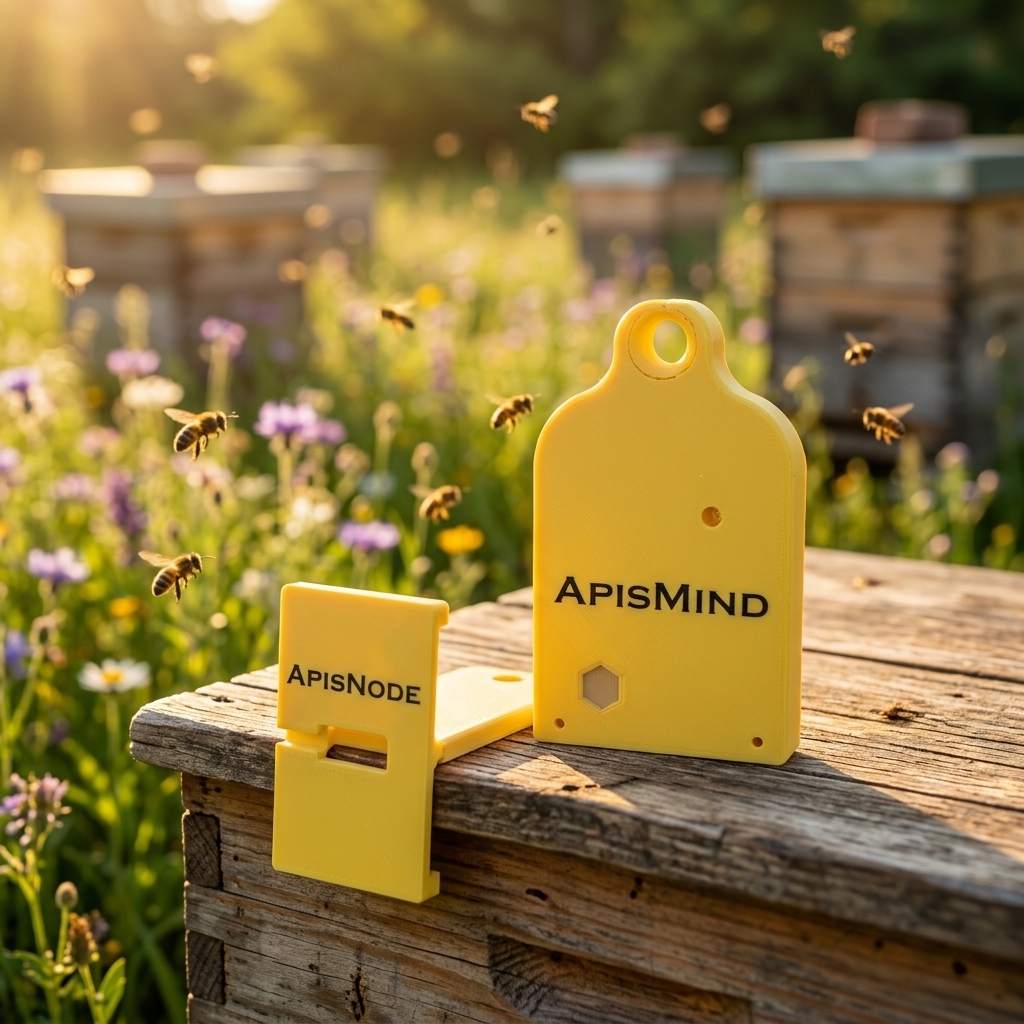
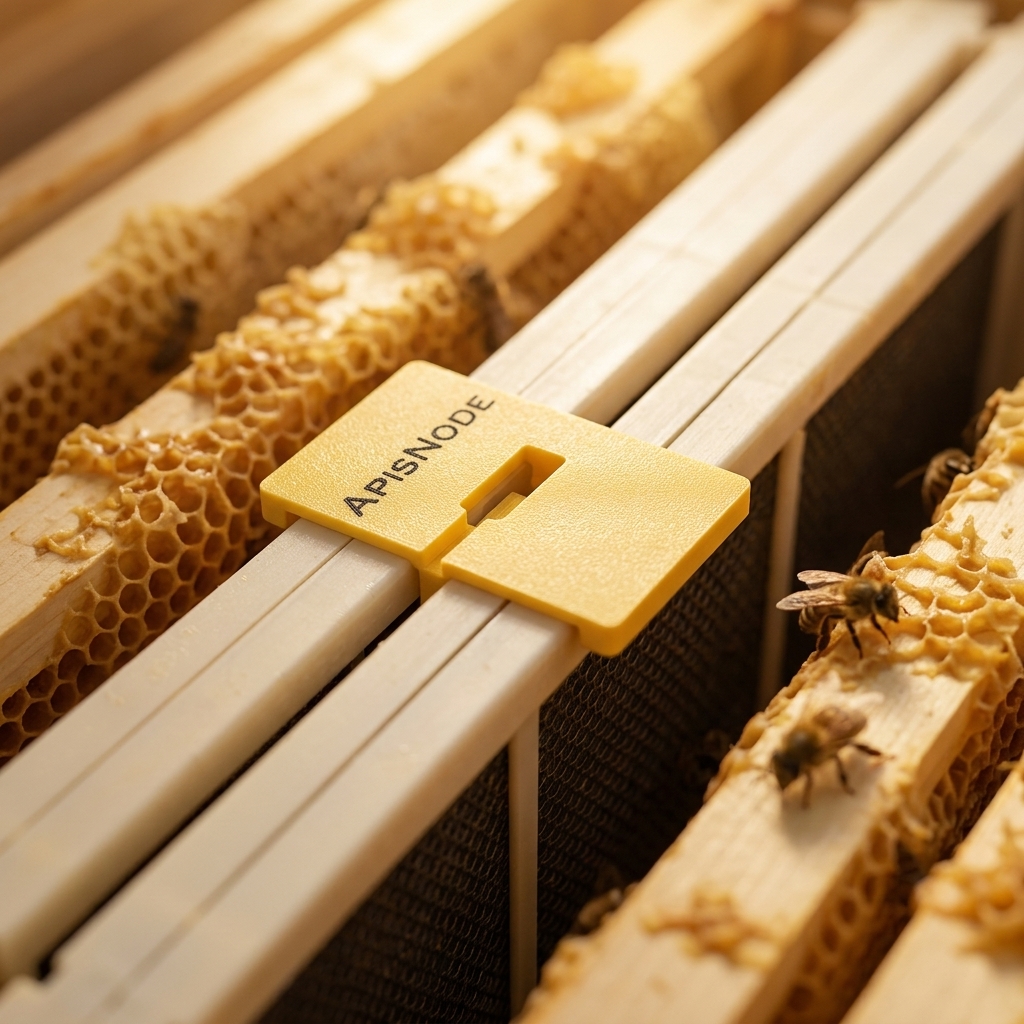
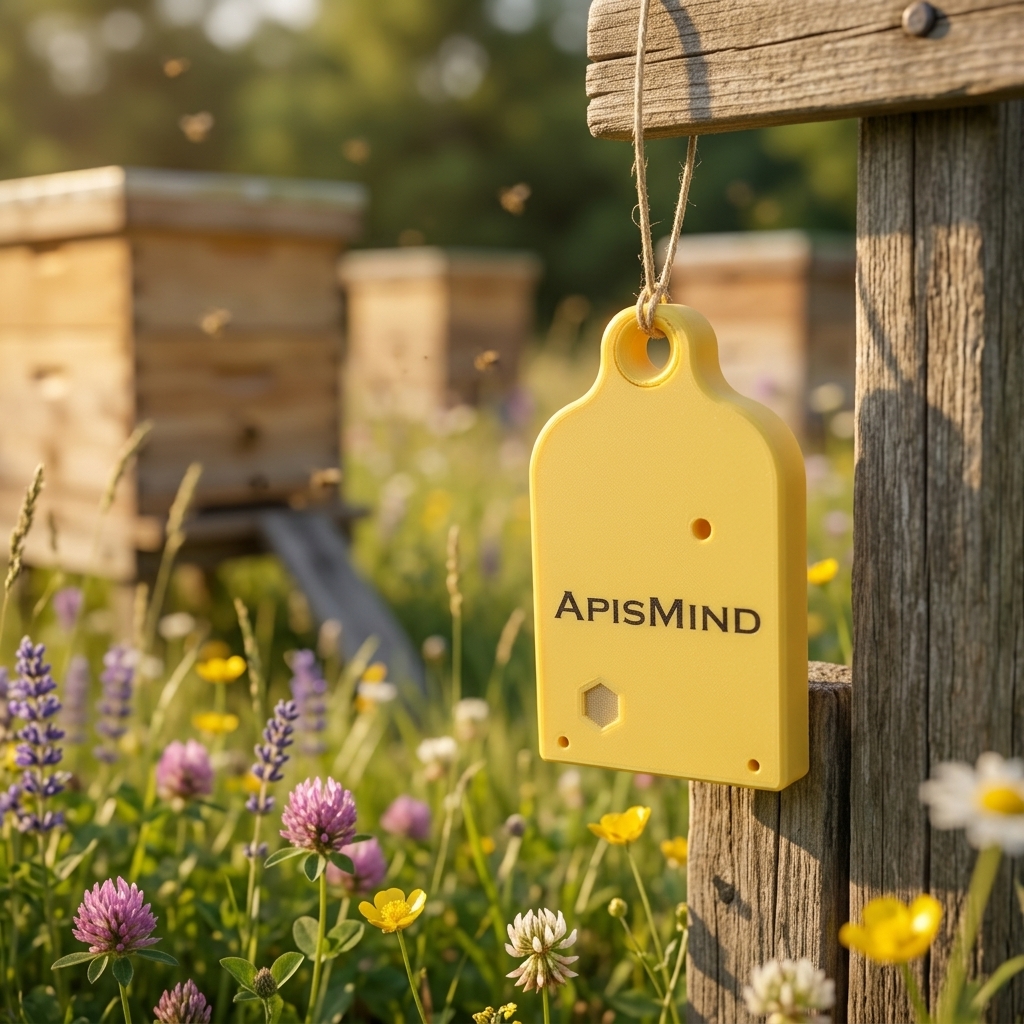
ApisNode beehive monitor installed in production apiary

Six-Sense Colony Intelligence

The most advanced beehive monitor available — 30 realtime Metrics, AI-powered daily health reports, and sub-GHz LoRa radio that works miles from any WiFi. Deployed in production apiaries with over-the-air updates and zero-touch provisioning.

30Metrics per Hive
1–60mAdaptive Sampling
24/7AI Monitoring
OTARemote Updates
The Smarter Beehive Monitor

ApisNode is a smart beehive monitor built from the ground up — custom hardware, embedded firmware, cloud infrastructure, and AI analytics — purpose-built for continuous, non-invasive hive health tracking. No subscription fees. No WiFi required at the hive. Free trial available for US beekeepers.

  • Solar-topped battery nodes with deep-sleep optimization for permanent off-grid field operation
  • Sub-GHz LoRa radio mesh delivers data across entire apiaries without WiFi
  • Always-on gateway bridges LoRa to the cloud via WiFi with store-and-forward resilience
  • Zero-touch pairing — power a node near the gateway and it auto-configures
  • Delta OTA firmware updates over LoRa in under 90 seconds
  • Daily AI health reports fusing sensor telemetry with peer-reviewed bee science

Edge to Cloud

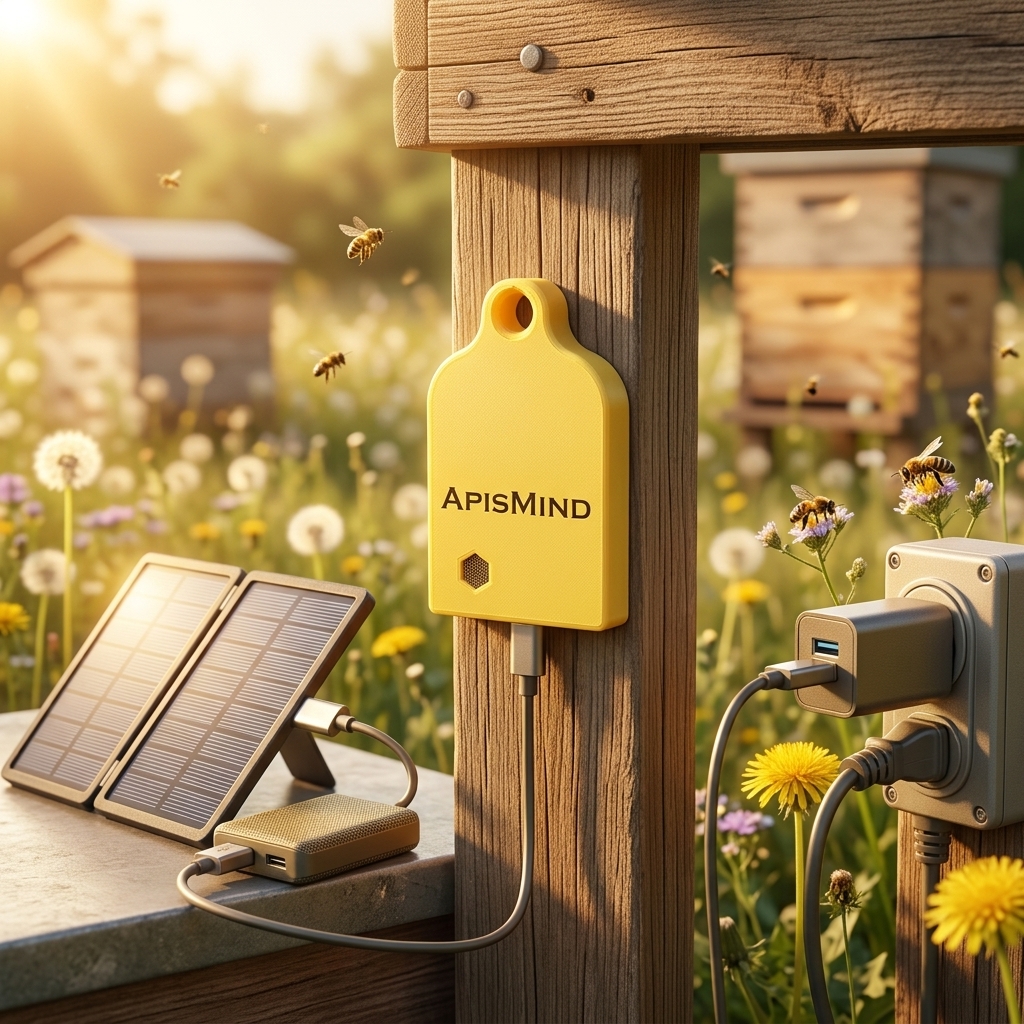
Your hives run off-grid on a small solar panel — no WiFi needed. The only thing that touches your WiFi is the gateway, and it can sit up to 2 miles away at your house or barn.

📍 At your hives
🐝

ApisNode

Hive 1

🐝

ApisNode

Hive 2

🐝

ApisNode

Hive 3

🐝

ApisNode

Hive N…

☀️ Small solar panel · WiFi not needed
🏠 At your house or barn

ApisMind Gateway

📶 Connects to your WiFi
just this one device
☁️

AWS Cloud

IoT + AI Analytics

📱

Your Applications

Live data, AI reports & chat — everywhere you are

🤖Android App
🍎iOS App
🌐FleetView Web
🖼️Kiosk Display

30 Metrics, One Device

Each ApisNode captures a comprehensive environmental fingerprint at adaptive intervals — from continuous sampling on solar power to multi-hour deep sleep cycles to maximize battery life.

🌡️

Temperature & Humidity

High-precision environmental sensing tracks brood nest temperature stability, pre-swarm signatures, and condensation risk with ±0.1°C accuracy.

🔊

10-Band Acoustic Analysis

On-device FFT extracts spectral features across 100–3600 Hz, covering baseline colony hum, queen piping, waggle dance harmonics, and defensive hissing.

📳

6-Band Vibration Analysis

Accelerometer-based spectral decomposition detects waggle dance activity, queen presence indicators, and mechanical disturbance across 5–1000 Hz.

🧪

10-Band Gas Analysis

A stepped-temperature scan reads the gas sensor at 10 heater setpoints from 100–400 °C, building a volatile-organic-compound (VOC) fingerprint far richer than a single reading. Shifts in this profile — against the colony's own baseline — flag changes in the hive's air: nectar curing, propolis and brood volatiles, or contamination worth a closer look on your next inspection.

📐

Tilt & Orientation

Full 3-axis gravity vector monitoring detects hive knockover, bear attacks, and vandalism with real-time alerting capabilities.

📊

Barometric Pressure

Atmospheric pressure tracking provides hyper-local weather context that feeds into AI analysis for weather-correlated colony behavior predictions.

AI-Powered Health Analysis

Daily automated analysis fuses 24-hour sensor telemetry with peer-reviewed bee science research and field inspection notes to produce actionable colony health reports.

❤️

Fuses hive temperature, humidity, and acoustic activity with biological baselines. Tells you immediately if the queen is active, if brood nest climate is optimal, or if the colony is experiencing weather stress.

🔄

Tracks daily rhythmic cycles in sound, temp, and behavior. Automatically highlights shifts or deviations from the colony's historical diurnal thresholds that signify swarming or hive stress.

🔬

Correlates multi-sensor trend changes with peer-reviewed literature (e.g. Bencsik et al., Seeley) to identify early disease indicators, pollen flows, or queenless states before they show physical signs.

⚠️

Filters out the noise to give you a clear apiary todo list. Recommends targeted, seasonal actions (e.g. "Verify honey stores next inspection") based on current environment and behavior trends.

  • Grounded in curated peer-reviewed bee science literature
  • Fuses in-hive telemetry with outdoor weather baselines
  • Integrates voice-transcribed field inspection notes
  • Per-hive health scores, detected issues, and recommended actions
  • Interactive follow-up chat for deeper colony questions
  • Seasonal phenology-aware analysis adjustments

💬 Ask ApisMind Anything

After each daily analysis, you can ask follow-up questions about your colonies. ApisMind combines your live sensor data, inspection history, and peer-reviewed science to answer like a trusted beekeeping partner who knows your hives personally.

Live AI · Powered by real sensor data from this apiary

Real Data from Real Hives

You're looking at real-time telemetry from 4 active beehives at our headquarters in Los Alamos, New Mexico — not simulated data. Every reading updates live, every 5 minutes.

Live Telemetry
Demo Apiary Loading…

Fetching live data…

Data Story

90 Days Inside a Beehive

91 days of real telemetry, 379 AI health analyses, three crises caught and explained — what continuous monitoring actually sees. Read the story →

Get ApisNode — At No Cost

We're selecting beekeepers to receive a complete ApisNode sensor kit for free. In exchange, your anonymized data will power The Open Apiary Project — building the world's most comprehensive apiary health database.

01 📋

Apply

Complete a short application telling us about your apiary, your technical setup, and your beekeeping experience.

02 📦

Receive Your Kit

Selected applicants receive a complete sensor kit: ApisNode sensor(s), ApisMind gateway, battery, and mounting hardware — shipped to your door.

03 📊

Deploy & Contribute

Install sensors in your hives, connect the gateway to your WiFi, and start contributing real-time scientific data to The Open Apiary Project.

What We're Looking For

📶
2.4 GHz WiFi near your apiary

The ApisMind gateway needs a stable WiFi connection to relay data to the cloud.

💻
Basic technical comfort

You should be comfortable with smartphone apps, WiFi setup, and basic troubleshooting.

🔬
Commitment to scientific data

Your anonymized sensor data contributes to real research through The Open Apiary Project. Keep sensors deployed and powered.

🎙️
Voice inspection recordings

We expect trial users to log hive inspections using the app's voice recorder. These transcriptions train our AI to better understand colony health.

Apply Now

Common Questions

What is a beehive monitor and how does it help my bees?

A beehive monitor is an in-hive electronic device that tracks environmental conditions—temperature, humidity, acoustics, comb vibration, tilt, and gas (VOC) profile—without disturbing the colony. ApisNode captures 30 distinct metrics every 5 minutes in production, delivering actionable insights and automated daily health reports to your smartphone to prevent colony losses.

How does a beehive monitor work without WiFi at my apiary?

ApisNode uses an integrated sub-GHz LoRa P2P radio. The sensor node inside the hive transmits encrypted data up to 2 miles (3.2 km) to the ApisMind gateway. The gateway can be placed at a nearby house or barn where WiFi, cellular, or satellite is available, meaning your hives need zero network coverage.

Can the gas analysis detect brood diseases like American Foulbrood?

Not directly — and any product that claims to diagnose a specific bee disease from a gas reading is overselling the sensor. ApisNode steps its gas sensor through 10 heater temperatures (100–400 °C) each cycle, producing a volatile-organic-compound (VOC) fingerprint rather than a single number. Many colony events change the VOCs in the hive's air — nectar curing, propolis work, and yes, decaying brood — which shifts this fingerprint against the colony's own baseline. The sensor cannot name a pathogen, but a sustained, unexplained shift that is also corroborated by temperature and acoustic changes is an early signal that something inside the hive has changed and is worth a physical inspection.

Can ApisNode detect swarming before it happens?

Yes. ApisNode captures 10 acoustic frequency bands (100–3600 Hz). The system monitors worker piping frequencies (350–600 Hz) that precede a swarm. Fusing this with shifts in comb vibration and sudden changes in diurnal temperature rhythms, the daily AI report can detect swarm prep up to 48 hours before the colony splits.

What does the daily AI-powered health report analyze?

Every 24 hours, our AWS cloud analytics engine processes your hive's history and generates three distinct report sections: (1) **Overall Health** (brood nest status and climate scoring), (2) **Diurnal Cycle Patterns** (monitoring circadian rhythm stability in sound/temperature and flagging deviations), and (3) **Science Discovery Correlations** (grounding your hive's behavior in peer-reviewed scientific studies to suggest next steps).

How long does the battery last on the ApisNode?

ApisNode is built for long-term deployments. By spending 99% of its time in a deep-sleep power-gated state between the 5-minute sampling intervals, the node draws under 7µA passive current. It runs from a rechargeable LiPo battery kept topped up by a small solar panel, so each node stays powered indefinitely with no wiring to the hive and no manual recharging.

Is ApisNode really free and how is my data used?

Yes, the hardware kit and AI analytics are completely free through our trial program. In exchange, your anonymized sensor data contributes directly to apiculture research through The Open Apiary Project, which builds open databases to study pollinator health and defeat Colony Collapse Disorder.

Questions or Partnerships?

Whether you're a beekeeper, researcher, or conservationist — we'd love to hear from you.